
As businesses prioritize sustainability, the demand for eco-friendly office furniture is growing. Companies are moving towards sustainable practices to reduce their environmental impact while creating healthier and more productive workspaces. From recycled materials to energy-efficient designs, here’s everything you need to know about making your office more sustainable in 2025.
Why Sustainable Office Furniture Matters
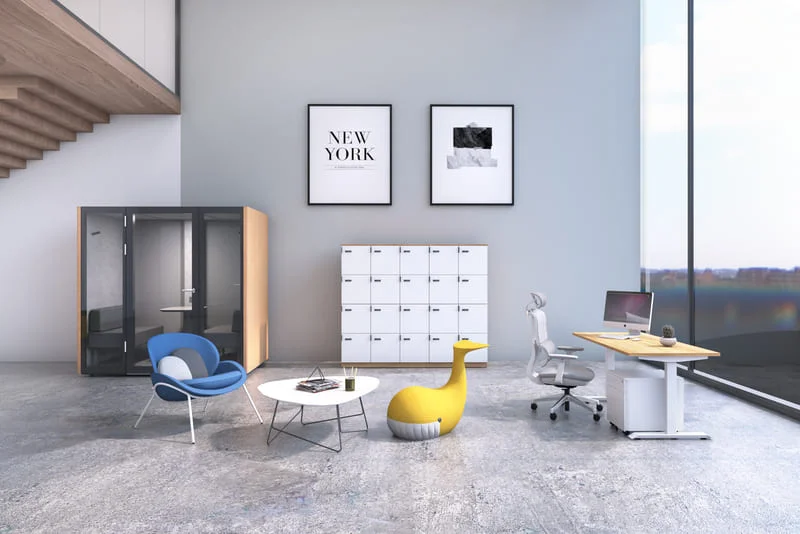
Sustainability in the workplace goes beyond just reducing waste—it contributes to employee well-being and company reputation. Investing in green office furniture helps lower carbon footprints, improve indoor air quality, and align with corporate social responsibility (CSR) initiatives.
Benefits of Sustainable Office Furniture:
-
Reduces environmental impact: Uses recycled and responsibly sourced materials.
-
Improves employee health: Low-VOC (Volatile Organic Compound) furniture enhances indoor air quality.
-
Cost-effective in the long run: Durable and high-quality materials reduce replacement costs.
-
Aligns with green certifications: Supports LEED and WELL-certified workspaces.
Eco-Friendly Materials for Office Furniture
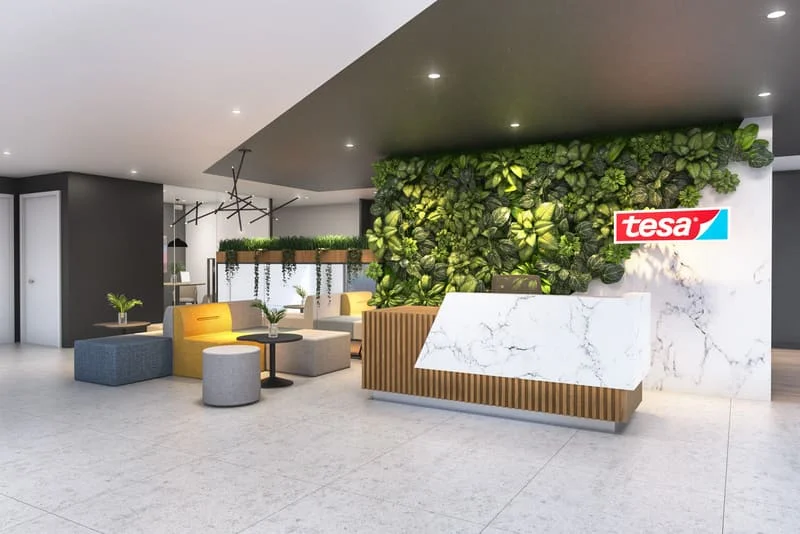
Choosing the right materials is key to creating a sustainable office. Many manufacturers now use recycled, upcycled, and biodegradable materials to reduce waste while maintaining durability.
Best Sustainable Materials for Office Furniture:
-
Bamboo – A fast-growing, renewable resource with high durability.
-
Recycled Wood – Reduces deforestation and repurposes old materials.
-
Recycled Metal – Strong and long-lasting with a lower carbon footprint.
-
Low-VOC Finishes – Limits chemical emissions, ensuring a healthier workspace.
-
Hemp & Cork – Renewable and biodegradable alternatives for modern office furniture
Energy-Efficient & Smart Office Furniture

Beyond materials, energy-efficient office solutions help minimize waste and optimize resources. Smart office furniture integrates technology to enhance sustainability while improving productivity.
Smart & Sustainable Office Solutions:
-
Solar-powered desks: Built-in solar panels reduce electricity use.
-
Energy-saving LED task lights: Reduces energy consumption in workspaces.
-
Adjustable height desks: Encourages movement, reducing sedentary behavior.
-
Smart office chairs: AI-powered ergonomic support for healthier work habits.
-
Recyclable office partitions: Modular and reusable for flexible layouts.
Designing a Green Office Space
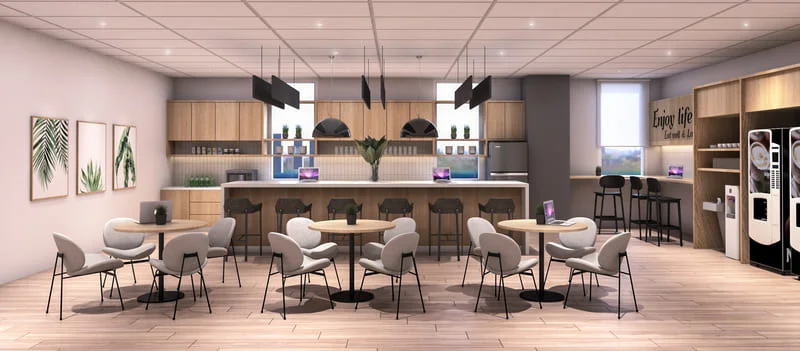
Creating an environmentally friendly office goes beyond furniture—it involves strategic design and sustainable practices. A well-designed green office can increase productivity, reduce energy consumption, and promote employee wellness.
How to Create a Green Office Space:
-
Maximize natural light: Use large windows and skylights to reduce reliance on artificial lighting.
-
Add indoor plants: Improves air quality and create a calming atmosphere.
-
Choose modular furniture: Allows for flexible, long-term use.
-
Encourage recycling programs: Implement waste reduction initiatives.
-
Use eco-friendly office supplies: Recycled paper, non-toxic pens, and refillable ink cartridges.
Conclusion
The future of office furniture is sustainable, functional, and environmentally responsible. By investing in eco-friendly office furniture, businesses can reduce their carbon footprint, create healthier workspaces, and contribute to a greener future. Whether you’re redesigning your workspace or starting from scratch, embracing sustainable office solutions is a step toward a more responsible and productive workplace.
Looking for high-quality sustainable office furniture? Explore our range of eco-friendly desks, chairs, and workstations today!